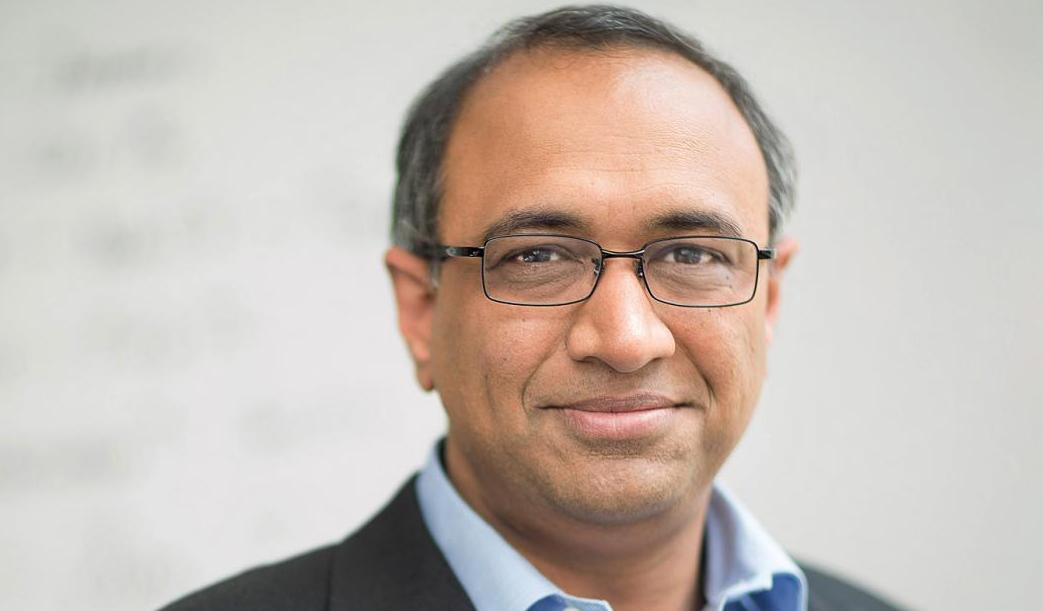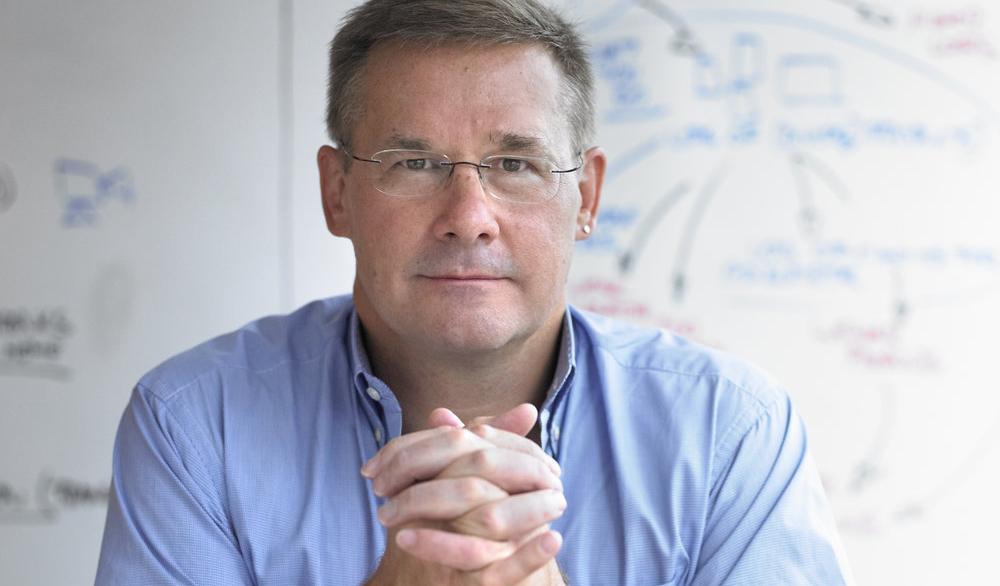

Olivier de Weck Pic
Olivier de Weck

Lead Instructor

Participating Instructor

Prof. de Weck is a leader in systems engineering research. He focuses on how complex man-made systems such as aircraft, spacecraft, automobiles, printers, and critical infrastructures are designed and how they evolve over time. His main emphasis is on strategic properties that have the potential to maximize lifecycle value (a.k.a the “iIities”).

See full profile

Michael A M Davies teaches the engineering and business elements of the Integrated Design and Management (IDM) program at MIT. He is an expert on the connections between technology, innovation, product development, consumer choice and behavior, the adoption and diffusion of new products, intellectual property, and the emergence and evolution of platforms and business ecosystems.

See full profile

Blade is an innovation and user-experience expert & Senior Lecturer at MIT on Design-Thinking and Innovation. Blade provides consulting service in Design-Thinking and helps top brands to innovate radically on their product and services, and teaches corporate teams how to create solutions that customers love. Customers include Bose, CPI International, Whirlpool, Lufthansa, The D.C. Department of Homeland Security and Emergency Management, and others.

See full profile
Ely Sachs
Emanuel Sachs

Professor Emanuel Sachs has spent his career moving back and forth between academia and industry. He has co-founded or otherwise been involved in seven start-up companies based on his inventions and co-inventions, including three that went public, one that was acquired by a public company, and three that are still private. Professor Sachs is committed to teaching and has brought innovative methods to the teaching of invention, the engineering sciences, design, and manufacturing.

See full profile
The implications of additive manufacturing (AM) span the complete product life-cycle, from concept-stage design to service part fulfillment. Recent advances, including industrially viable high-speed AM processes, improved materials, and optimization software, now enable AM to be considered hand-in-hand with conventional production technologies. In short, AM is the cornerstone of future digital production infrastructure. Moreover, the unprecedented design flexibility of AM allows us to invent products with new levels of performance, and to envision supply chains that achieve rapid, responsive production with reduced cost and risk.