



Become a stronger leader of innovation and design-thinking in your workplace. Join us for a highly interactive and engaging course that will teach you powerful new approaches for creating innovative solutions, crafting vision that gets buy-in, and developing solutions that people love. You'll learn our proven 10-Step Design Process and gain the strategies and hands-on experience to make your mark as a leader of innovation. Don't miss this opportunity to take your leadership capabilities to the next level.
Learn the fundamentals of lighting, imaging technologies, and motion analysis in this dynamic course, designed specifically for scientists, engineers, and imaging specialists who need to gather data on rapidly moving subjects and events. Guided by leading experts, you’ll overcome common challenges, including trade-offs between depth-of-field, field-of-view, resolution, and lighting requirements by selecting the appropriate lens(es) to capture clear, crisp, images.
Explore the latest strategies for stabilizing biotherapeutics, with a focus on solving mechanisms of instability. Designed for scientists and engineers working in biopharmaceutical discovery, development, and manufacturing, this dynamic four-day course explores various strategies for overcoming challenges related to the stability, solubility, and viscosity of biotherapeutics. There is a focus on a fundamental mechanistic understanding of protein stability, providing the basis for formulating and stabilizing biopharmaceuticals. The course will also present advances in emerging areas, such as cell and gene therapy as well as machine learning.
Delve into the latest in biological and biochemical technology, with an emphasis on biological systems with industrial practices. The longest-running course in the MIT Professional Education catalog, this popular program reviews fundamentals and provides an up-to-date account of current industry knowledge. Alongside accomplished peers, you’ll acquire the tools you need to improve existing biological manufacturing systems or design new ones for downstream processes.
Explore the innovative biotechnology strategies that are improving processes in biological industries around the world. Over the course of five days, you’ll acquire the tools and frameworks you need to enhance your organization’s downstream process—and drive increased value. Through highly interactive lectures and activities, you’ll examine traditional unit operations, as well as new concepts and emerging technologies, which offer benefits to biochemical product recovery.
Transform your organization's engineering capabilities with comprehensive AI implementation spanning the complete design-to-deployment pipeline, from LLM-driven parametric design through advanced manufacturing optimization, computer vision quality control, and real-world deployment strategies. In this intensive hands-on course, you'll join accomplished global peers to master deployable AI workflows, create neural surrogates for expensive simulations, implement MLOps practices with regulatory compliance, and build complete integrated systems using open-source tools – leaving with working template libraries and custom components ready for immediate organizational deployment.
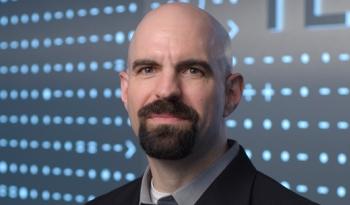
Brian Anthony
Lead Instructor
Brian Anthony is the co-director of MIT’s Medical Electronic Device Realization Center and associate director of MIT.nano. With over 25 years of experience in product realization, Brian Anthony designs instruments and techniques to monitor and control physical systems. His work involves systems analysis and design, calling upon mechanical, electrical, and optical engineering, along with computer science and optimization.
Morris Z. Rosenberg
Dr. Morris Rosenberg is founder and a consultant at MRosenberg BioPharma Consulting. He has over 25 years experience in the development of therapeutic agents to treat a variety of human diseases.
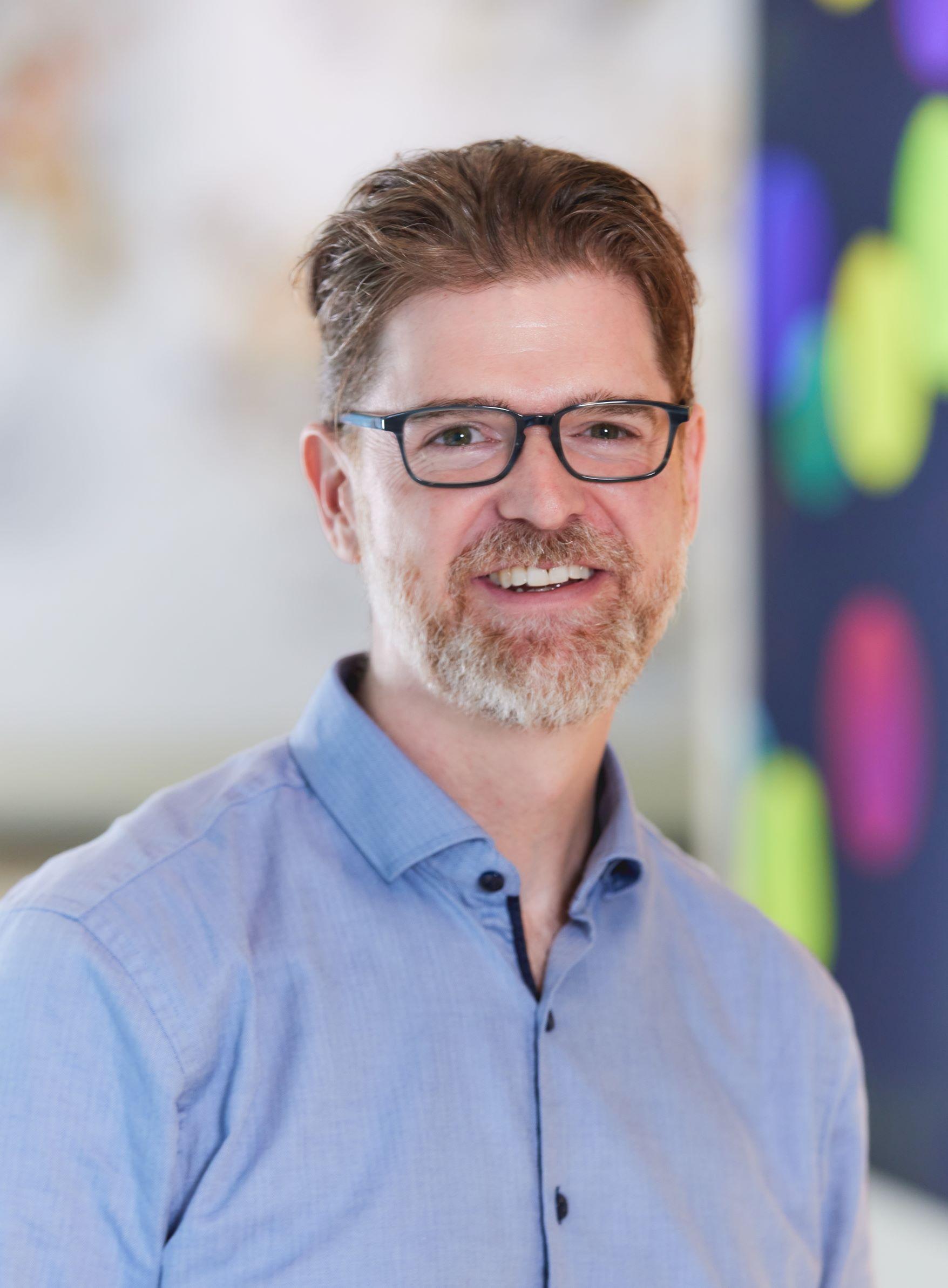
J. Christopher Love
J. Christopher Love is the Raymond A. (1921) and Helen E. St. Laurent Professor of Chemical Engineering. He is also an Associate Member of the Broad Institute, and an Associate Member at the Ragon Institute of MGH, MIT, and Harvard. Following completion of his doctoral studies, he extended his research into immunology at Harvard Medical School with Hidde Ploegh from 2004-2005, and at the Immune Disease Institute from 2005-2007.
James C. Leung
Dr. James C. Leung is a Senior Research Fellow at the MIT Center for Biomedical Innovation (CBI).