
Anna Osherov headshot
Anna Osherov

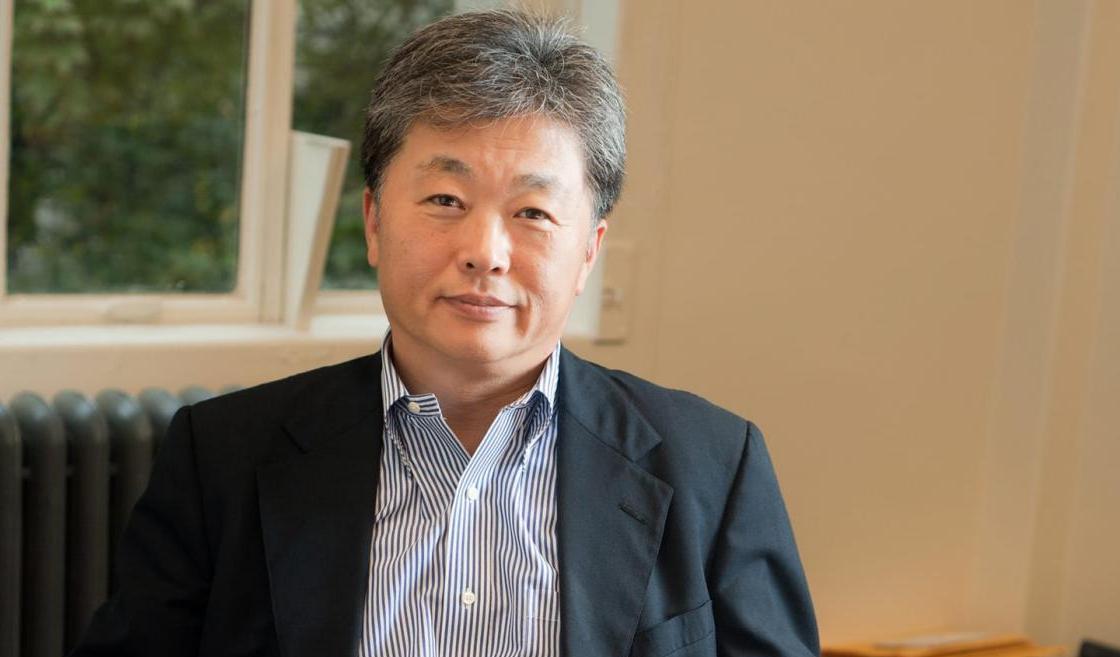
Anna Osherov joined MIT's ONE Lab in the fall of 2013 as a postdoctoral associate and lab manager of the Eni-MIT Solar Frontiers Shared Experimental Facilities. Anna's research focuses on the correlation between morphology, microstructure, and physical properties of materials.

See full profile
William D. Oliver
William D. Oliver

Participating Instructor

William D. Oliver is a Principal Investigator in the Engineering Quantum Systems Group (MIT campus) and the Quantum Information and Integrated Nanosystems Group (MIT Lincoln Laboratory).  He provides programmatic and technical leadership targeting the development of quantum and classical high-performance computing technologies. Will’s research interests include the materials growth, fabrication, design, and measurement of superconducting qubits, as well as the development of cryogenic packaging and control electronics involving cryogenic CMOS and single-flux quantum digital logic.

See full profile
Vladimir Bulović
Vladimir Bulović

Participating Instructor

Vladimir Bulović is a Professor of Electrical Engineering at MIT holding the Fariborz Maseeh Chair in Emerging Technology. He directs the Organic and Nanostructured Electronics Laboratory, co-leads the MIT-Eni Solar Frontiers Center, leads the Tata GridEdge program, and is the Founding Director of MIT.nano, MIT's new 20,000 m2 nano-fabrication, nano-characterization, and prototyping facility that opened in the summer of 2018.

See full profile
Derrick Katayama

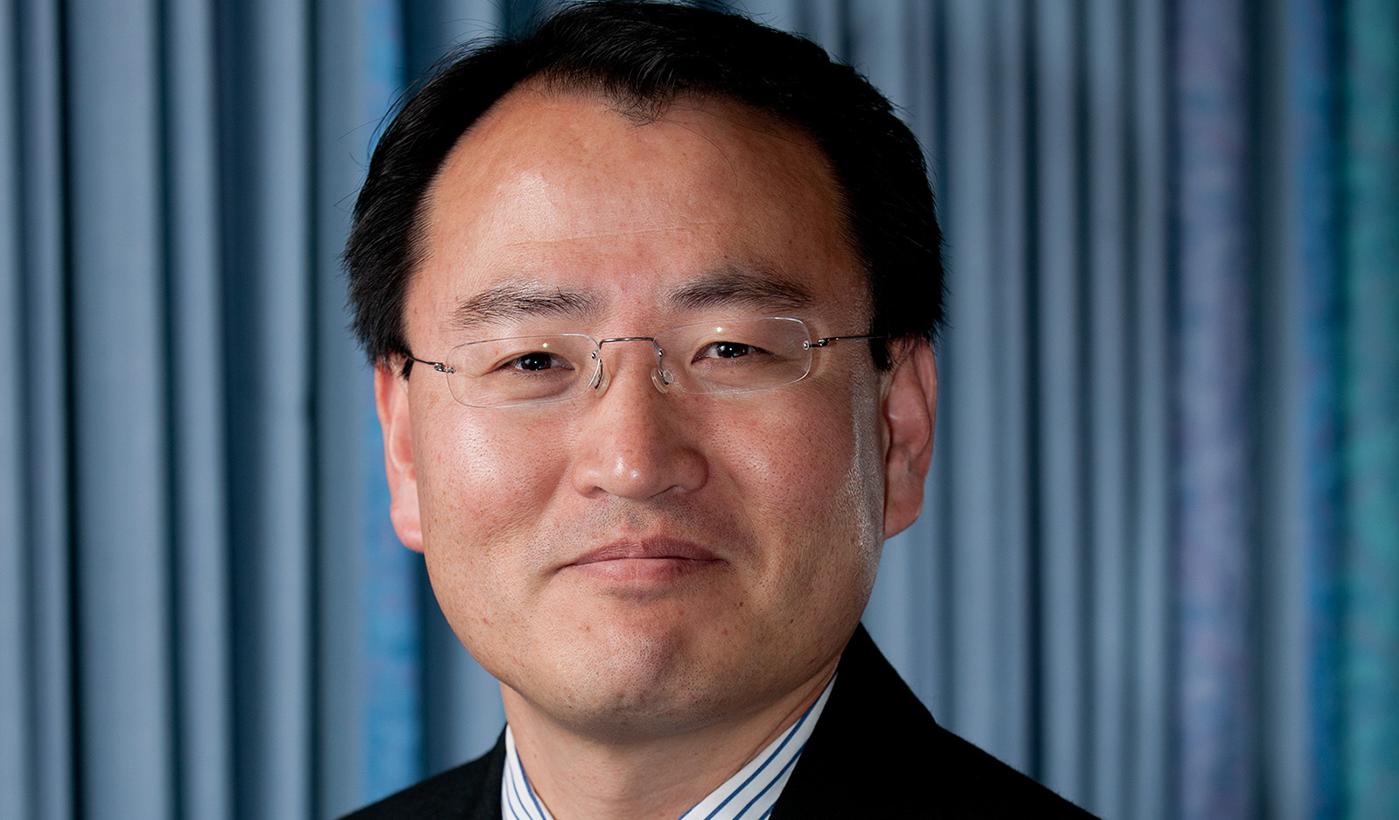
Derrick Katayama, Ph.D. is the Principal Scientist at Legacy BioDesign, LLC. Dr. Katayama received his Ph.D. in Pharmaceutical Sciences from the University of Colorado Health Sciences Center (UCHSC) with studies focused on understanding protein stability in both liquid and lyophilized forms. Dr. Katayama has worked in the biopharmaceutical industry for over 10 years, prior to joining Legacy BioDesign, LLC.

See full profile
Stanley Shaw
Stanley Shaw

Stanley Y. Shaw, MD, PhD is the inaugural Associate Dean for Executive Education at Harvard Medical School. In this role, he designs and directs a growing portfolio of programs for companies and executive leaders from diverse sectors of health care, from small biotechs to Fortune 100 companies. 

See full profile
Motors are becoming better and cheaper—opening profitable new applications across industries. In this course for engineers and product designers, you will learn to assess and design electric motors, generators, and drive systems, with emphasis on electric drives, including traction drives and drive motors. You will also explore how modern embedded controllers enable command through digital computation, breathing life into electric machines and motion control applications. 
Enhance your ability to analyze the financial risks and opportunities of today's real estate marketplace by leveraging quantitative analytics techniques taught in popular MIT graduate courses. Over the course of two accelerated days, you’ll master common real estate financial analysis methods, acquire new approaches for financial modeling, and assess cutting-edge quantitative tools for managing portfolio risk. 
Want to get ahead in real estate finance? Get back to the basics with MIT. In this critically important two-day course, you’ll join accomplished global peers to enhance your foundational knowledge of the crucial factors shaping real estate finance today. Through real-world case studies, you’ll explore the financial infrastructures that underpin real estate development and improve your ability to make smart decisions related to financial feasibility.
Ready to revolutionize transportation systems and discover how disruptive innovations are reshaping the mobility sector? In this immersive five-day course, you will learn to analyze and optimize transportation systems using the latest research from MIT and beyond, delving into demand and network modelling, artificial intelligence, simulation, optimization and control. These methods are explored alongside selected future solutions, with a focus on user-centric new smart mobility services , automated and AI-driven vehicles and alternative energy vectors for decarbonizing transportation. Through real-world case studies, professionals from transport service providers, urban and mobility planning, automotive, and transportation sectors can gain actionable insights to address current and future transportation challenges.
The three-and-a-half-day course explores the fundamentals and latest innovations in the study of friction, wear, lubrication, and design of tribological systems. Participants will acquire the skills needed to improve the reliability and durability of tribological systems. Learners will dive deep into fundamentals, trends, strategies, and modern methodologies needed to design the next generation tribological systems. This course may be taken individually or as part of the Professional Certificate Program in Design & Manufacturing.