



During times of uncertainty, one thing doesn’t change—your responsibility to provide value to your customers. Learn to build an innovative, resilient organization that can beat the odds amid difficult circumstances. In this three-day course, you’ll acquire the tools and frameworks you need to drive increased revenue for existing products, services, and customers, while simultaneously building new lines of business that position your organization for sustainable growth.
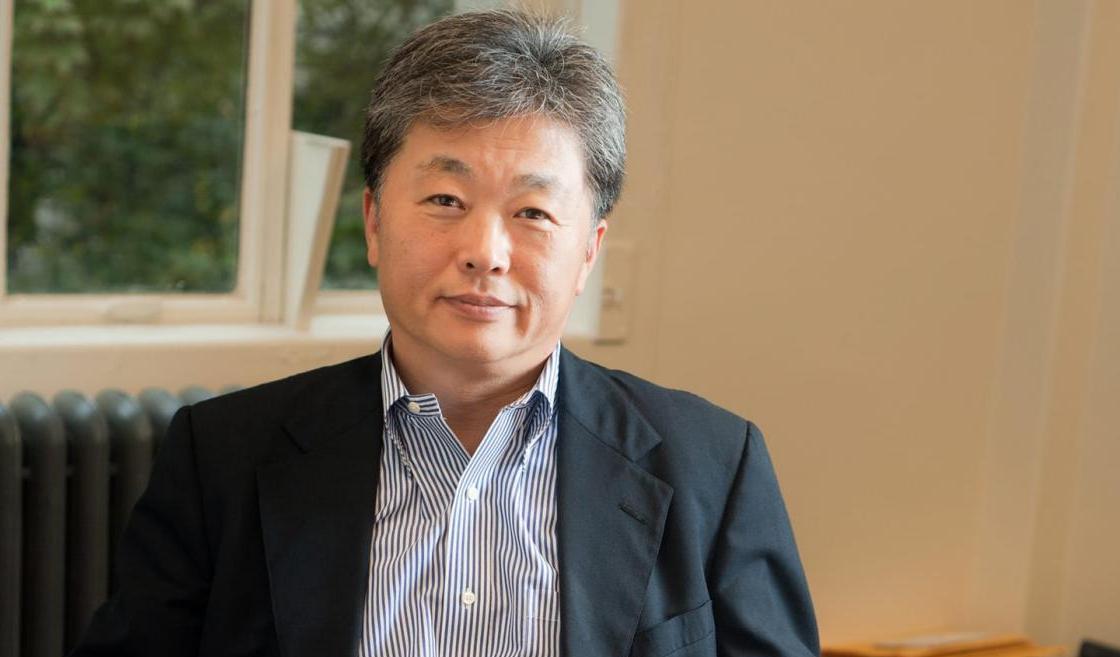
Sang-Gook Kim
Sang-Gook Kim is a professor in the Department of Mechanical Engineering. He is currently the Micro/Nano Area Head of the Department of Mechanical Engineering at MIT. Prof. Kim’s research has been in the field of product realization throughout his career at both the industry and academia. His recent research includes piezoelectric MEMS energy harvesting, micro ultrasonic transducers and nano-engineered energy conversion for carbon neutrality and solar water splitting systems.
How do you solve important, large-scale challenges with evolving and contradictory constraints? In this 5-day course, transform your approach to large-scale problem solving, from multi-stakeholder engineering projects to the online spread of misinformation. Alongside engineers and leaders from diverse industries, you’ll explore actionable innovative frameworks for assessing, communicating, and implementing complex systems—and significantly increase your likelihood of success.
THIS COURSE MAY BE TAKEN INDIVIDUALLY OR AS PART OF THE PROFESSIONAL CERTIFICATE PROGRAM IN INNOVATION & TECHNOLOGY or the professional certificate program in biotechnology & life sciences.
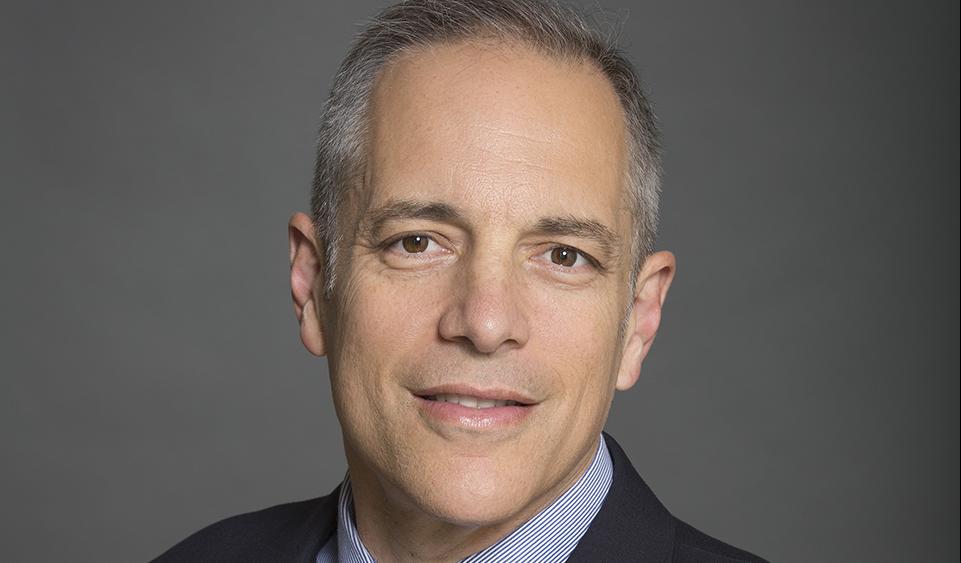
Elazer Edelman
Elazer R. Edelman is the Edward J. Poitras Professor in Medical Engineering and Science at MIT, where he directs the Institute of Medical Engineering and Science. He is also a Professor of Medicine at Harvard Medical School, and a cardiac intensive care unit cardiologist at the Brigham and Women’s Hospital (BWH) in Boston.
Tolga Durak
Tolga Durak is the Managing Director of the MIT Environment, Health & Safety Office (EHS). As MIT’s Managing Director, Durak is the responsible administrator for health, safety and environmental programs for all MIT academic and administrative units. Durak leads EHS to assure university activities are conducted in compliance with applicable laws, regulations, best business practices as well as by supporting development, implementation, and monitoring of prevention control strategies and initiatives. In addition to the main MIT campus, EHS provides support for and oversight over all off-site and international departments, laboratories and research centers.
Delivering technology to nearly 4 billion people who live in poverty presents a range of challenges, particularly in terms of scaling operations. In this course, you’ll explore strategies for meeting the needs of emerging markets—while growing your organization and profitability. Over the course of six half-days, you’ll examine new approaches for partnering with base of the pyramid (BoP) populations, and developing and delivering lucrative products that benefit these communities.
En la actualidad, las organizaciones necesitan cada vez más de la combinación de excelencia técnica con grandes habilidades interpersonales y de liderazgo. En todos los niveles es importante crear una cultura de impulso por la transformación que mantenga una visión global de las estrategias, deje espacio para la inspiración y motivación de las personas y refuerce la innovación para mantener una ventaja competitiva.
In the face of the pandemic, every aspect of human life has had to be rethought in one way or another: how we live, how we learn, how we work, how we shop, and how we move. Countries, companies and individuals in the working world have had to go through a transformation—a collective Apollo 13 period that has stretched over a year—to rethink, to restructure and to retool. We are now tiptoeing our way into a new normal—or as the Chairman of Moderna puts it, into a new abnormal. Innovation will not anymore be an important exercise, but rather an approach to life. Fortunately, we have learned much about innovation over the last 20 years with the growth of new technologies, new business models and new approaches to continuous, dynamic shape-shifting transformation to stay abreast of the times.
What would Artificial General Intelligence look like if its first breakthrough were not in language, but in the invention of matter? Join the frontier of superintelligence applied to agentic materials discovery. In this condensed four-day course, you will move beyond static design to master autonomous AI workflows. Through hands-on clinics, you will build multi-agent systems that do not merely predict material properties, but reason, plan, and invent next-generation smart materials - integrating large-scale computational modeling with generative AI to solve complex engineering challenges across scales, from atoms to systems, from concept to physical realization.