



Reinforcement learning (RL), is enabling exciting advancements in self-driving vehicles, natural language processing, automated supply chain management, financial investment software, and more. In this three-day course, you will acquire the theoretical frameworks and practical tools you need to use RL to solve big problems for your organization
Motors are becoming better and cheaper—opening profitable new applications across industries. In this course for engineers and product designers, you will learn to assess and design electric motors, generators, and drive systems, with emphasis on electric drives, including traction drives and drive motors. You will also explore how modern embedded controllers enable command through digital computation, breathing life into electric machines and motion control applications.
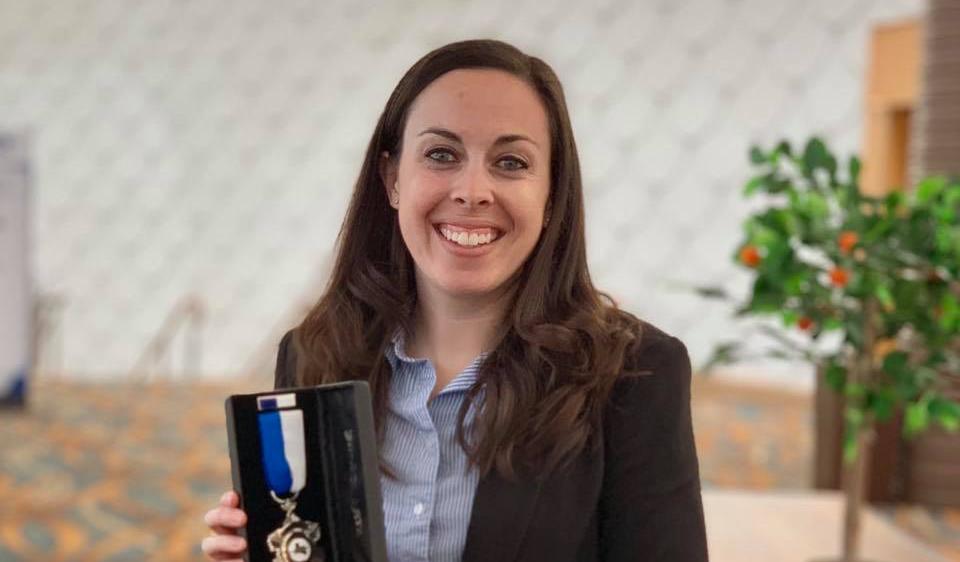
Katie Nelson
Katie has been the Social Media and Public Relations Coordinator at the Mountain View Police Department since 2015. In her role, she manages the department’s social media accounts and outreach campaigns, focusing primarily on the department’s engagement efforts as well as serving as the agency’s public information officer. She presents across the country on social media best practices and crisis communication strategies.

Anna Frebel is an observational astronomer and astrophysicist. Prof. Frebel has authored more than 120 papers in various refereed journals and is best known for her discoveries and spectroscopic analyses of the oldest, most metal-poor stars in the Milky Way and small dwarf galaxies.
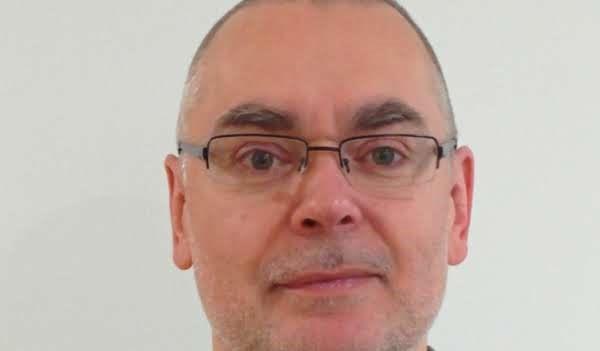
Dr. Jacek Cieslak is a product quality team leader in the Office of Biotechnology Products (OBP), Office of Pharmaceutical Quality (OPQ), CDER, FDA. Between 2005 and 2014, Dr. Cieslak has been working at FDA as a researcher/reviewer in the Division of Therapeutic Proteins in OBP where he gained review experience including protein therapeutics and biosimilar products. Dr. Cieslak joined the FDA in 2001 where he conducted his postdoctoral research on chemical synthesis and modifications of oligonucleotides. Prior to joining the FDA, he earned his Ph.D. degree in Chemistry from the Polish Academy of Sciences. He has authored and co-authored over 40 peer-reviewed publications in the area of oligonucleotide synthesis.
Build end-to-end vision systems that see, understand, and act in the physical world. This intensive program unites imaging systems, machine learning, and physical AI to create intelligent workflows, from acquisition to real-time interaction. This course is designed for professionals who want to master the convergence of imaging, ML, and real-time systems.
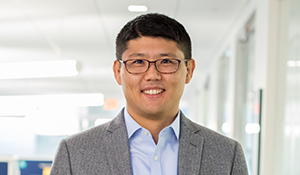
Erdin Beshimov
A Lecturer at MIT and a Lead Instructor in Entrepreneurship and Product Innovation via the Lead User Method, Erdin Beshimov is committed to creating new pathways for learners worldwide to study innovation, technology, and entrepreneurship. He founded MIT Bootcamps and the MITxMicroMasters program, and the Incubation Group in the Office of Digital Learning.
MIT Professional Education is pleased to offer the Professional Certificate Program in Machine Learning & Artificial Intelligence. MIT has played a leading role in the rise of AI and the new category of jobs it is creating across the world economy. Our goal is to ensure businesses and individuals have the education and training necessary to succeed in the AI-powered future. This certificate guides participants through the latest advancements and technical approaches in artificial intelligence technologies such as natural language processing, predictive analytics, deep learning, and algorithmic methods to further your knowledge of this ever-evolving industry.
Building on MIT's innovative culture and the spirit of entrepreneurship that drives Cambridge’s Kendall Square, MIT Professional Education is pleased to offer the Professional Certificate Program in Innovation & Technology. Focused on building a competitive advantage through innovation and technology, this credential signifies your depth of knowledge and skill in creative thinking and using disruptive technologies as a differentiator.
Focused on essential aspects of design, analysis, and manufacturing, this credential affords you the skill and insights to transform your processes. Equipped with these targeted strategies, you’ll be well prepared to reduce time to market while adapting the latest materials and technologies.