


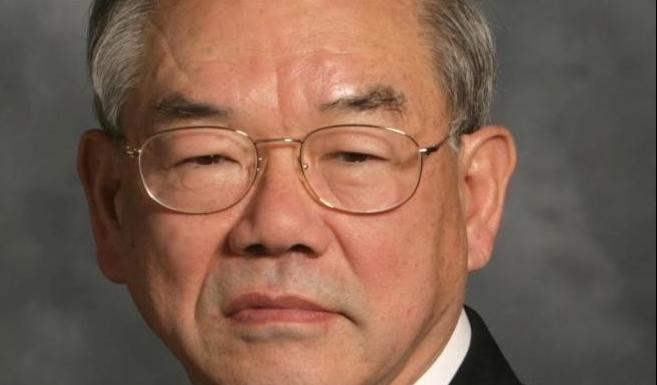
Nam Pyo Suh
Professor Nam Pyo Suh is the Cross Professor Emeritus at MIT and was the 13th and 14th President of KAIST. He serves on advisory boards of universities and industrial firms.

Professor Nam Pyo Suh is the Cross Professor Emeritus at MIT and was the 13th and 14th President of KAIST. He serves on advisory boards of universities and industrial firms.
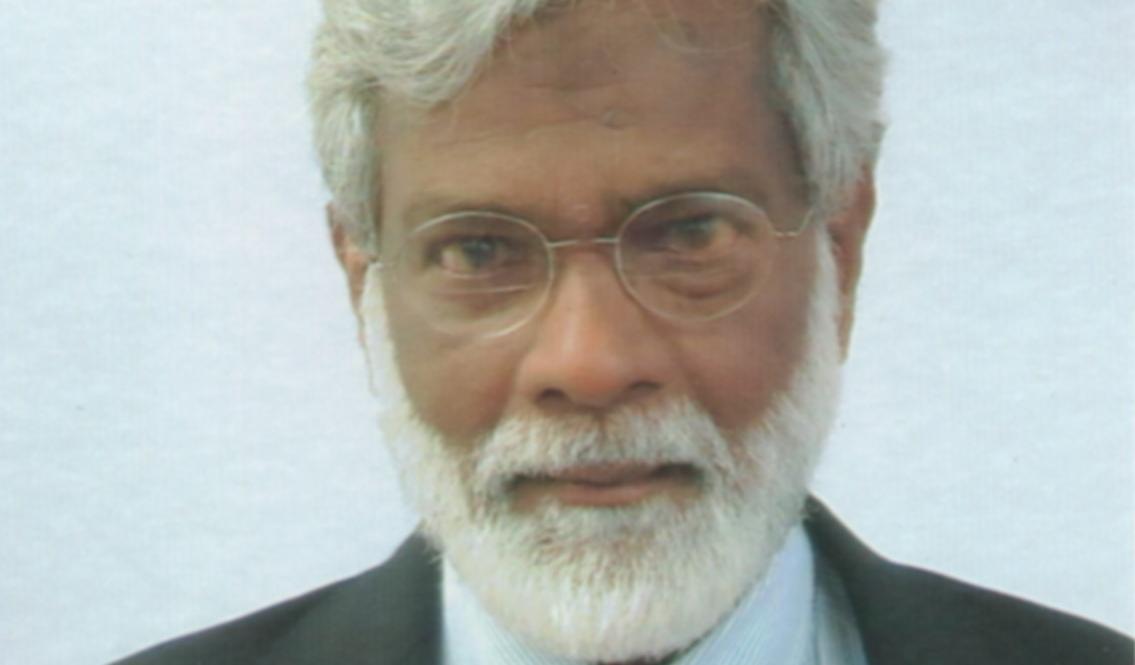
Dr. Nannaji Saka is a former Research Affiliate and Principal Research Scientist in the Department of Mechanical Engineering and the Laboratory for Manufacturing and Productivity at MIT. Saka has co-authored over 100 technical papers in tribology, mechanical behavior of materials, and manufacturing processes. He holds seven U.S. patents on electrical contacts and chemical-mechanical polishing and has several patents pending.

Professor Wojciech Matusik is an Associate Professor of Electrical Engineering and Computer Science at the Computer Science and Artificial Intelligence Laboratory at MIT, where he leads the Computational Fabrication Group. His research interests are in direct digital manufacturing and computer graphics.

John Hart is the Class of 1922 Professor and Head of the Department of Mechanical Engineering at MIT. He is also a faculty Co-Director of the MIT Initiative for New Manufacturing, and Director of the MIT Center for Advanced Production Technologies. John’s research focuses on manufacturing processes, machine design, and integration of computing and automation in production systems. John is a co-founder/advisor of several startup companies including VulcanForms, Upgrade Manufacturing, Desktop Metal, and Fabri. He is also a Board Member of Carpenter Technology Corporation. LinkedIn: https://www.linkedin.com/in/ajhart/