



3 Forces Shaping the Future of Mobility
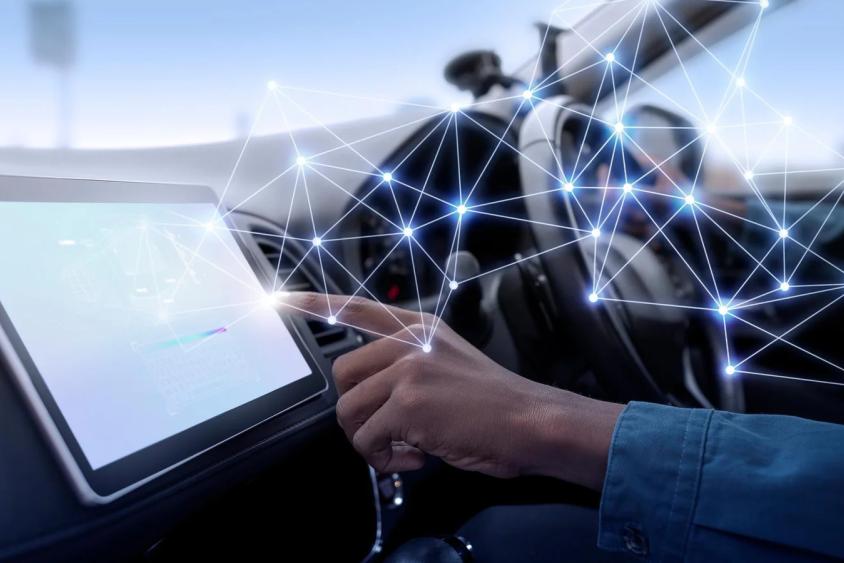
The future of mobility is being reshaped by three powerful forces: AI, electrification, and connected technology, transforming how people move
By Moshe Ben-Akiva, Edmund K. Turner Professor of Civil and Environmental Engineering at the Massachusetts Institute of Technology (MIT)
The next era of transportation will be marked by increased personalization, a focus on sustainability, and the continued rise of automation.
From the earliest days of modern transportation, people have imagined a future in which getting from one place to another would be easier and faster.
Even before cars were widely available, sci-fi comic books portrayed a world with teleportation and rocket travel. Later on, shows like The Jetsons showed an entire generation a future in which jet packs and flying cars were the primary modes of travel.
The reality, of course, is that changes to the way we travel have occurred slowly and incrementally. Mobility systems are extraordinarily complex, involving infrastructure, regulation, economics, and human behavior. Cars made today are significantly safer and more reliable than the vehicles of the 1950s, but the fundamental experience of driving is largely the same. And although humans first launched into space 65 years ago, we still largely get around on the ground.
While changes to the way we travel are still incremental, the pace has accelerated. In just the past decade or so, we’ve seen the rapid rise of rideshare platforms, the growing adoption of electric vehicles (EVs), and increasingly sophisticated self-driving systems. These developments point to three major forces shaping the future of transportation:
Personalization: Already, mobility options are far more user-centric than in decades past, with navigation systems and ride-sharing platforms providing user-specific information and options. The mobility system is likely to become even more personalized in the coming years, with riders entering their desired destination into an integrated app and receiving a menu of options based on their preferences, past behavior, and real-time context such as traffic information. This model, often referred to as “mobility as a service” (MaaS), aims to bring together multiple transportation modes into a single, integrated experience. Apps may incorporate offerings from private rideshare companies, taxi services, public transit options, and bikeshare programs. This move toward a more user-centric mobility system may also see on-demand bus service replace or supplement fixed routes, which could extend service into low-density residential areas. While public transportation has historically been inefficient and impractical in these areas, on-demand dispatching will allow buses to go when and where they are needed, rather than running along mostly empty routes.
Sustainability: Although the use of EVs is still not widespread, adoption is growing rapidly. According to the International Energy Agency, EVs accounted for 18% of all automobiles sold in 2023, up from just 2% five years earlier. This is despite lagging infrastructure, with charging stations remaining relatively sparse in much of the country. Policy plays a major role in EV adoption (as we saw in the U.S. with the establishment and subsequent canceling of tax credits), but economics are also driving more sustainable options. Advances in battery technology and declining production costs have brought down the sticker price of EVs, while volatility in global oil markets and the long-term uncertainty of fossil fuel supply chains are making the cost of owning traditional internal combustion vehicles less predictable. Electrification is just one aspect of sustainable mobility. A full view includes lifestyle and behavioral shifts, such as more walking, biking, and use of public transportation. These shifts are likely to be supported by a combination of better service design, more integrated mobility platforms, and urban planning decisions that prioritize accessibility and convenience for lower-impact modes.
Automation: Although fully autonomous vehicles have not become commercially available on the timeline some predicted, real-world deployments are expanding. Companies like Waymo are running robotaxis in select cities, with millions of miles driven in real-world conditions. There are multiple levels of automation, ranging from driver-assistance features to fully autonomous vehicles with no human driver. For now, human oversight exists even for fully autonomous systems, with robotaxis monitored remotely by centralized control teams. Also, today’s deployments are generally limited to specific, highly mapped urban areas and require significant testing and operational support. Looking ahead, automation is expected to expand beyond passenger vehicles in areas like public transit and freight, where controlled environments may reduce the need for onboard drivers.
These three forces—personalization, sustainability, and automation—are not evolving in isolation. Rather, they are deeply interconnected and reinforce one another, with advancements in one often impacting the others. For example, autonomous electric vehicle fleets may integrate into personalized mobility platforms, providing users another option alongside buses and trains. Similarly, on-demand services can improve efficiency and reduce emissions by matching supply more closely with real-time demand.
Transportation remains multimodal and complex, and progress will continue to come from the gradual stitching together of many incremental improvements, rather than sudden breakthrough moments. But over time, these incremental advances will compound into meaningful systemic change.
Discover the latest trends and insights—explore the Business Insight Journal for up-to-date strategies and industry breakthroughs!
Source : BI Journal