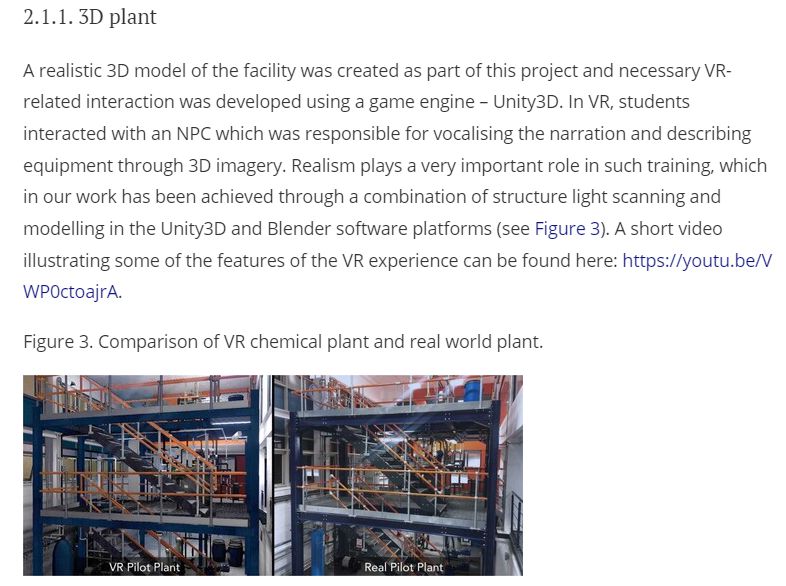
Transform how you design, build, and train using the power of virtual and augmented reality. Developing Immersive Technologies for Manufacturing and Design Engineering is a hands-on, project-based course that teaches you how to solve complex industry problems. Whether you are a student or an industry professional, this program gives you the practical skills you need to innovate.
Throughout this course, you will explore the full potential of immersive technologies. We focus on practical AR/VR development techniques specifically tailored for engineering and manufacturing. You will learn how to use the Unity game engine to build interactive scenes from scratch. By the end of the program, you will know how to apply these cutting-edge tools to virtual prototyping, realistic simulation, and functional assembly line training.
The course is organized into daily active-learning blocks that take you from concept to application:
- Day 1: Think like a AR/VR developer to identify where immersive tools add the most value.
- Day 2: Build immersive worlds using game engines, 3D modeling, and asset creation workflows.
- Day 3: Design intuitive user experiences with custom scripting, sensor data, and interactive simulations.
- Day 4: Translate your concepts into real-world applications with global applicability.
There are no strict prerequisites to join. Simply download the Unity game engine and your preferred code editor before we begin so you can dive right in.
Applications





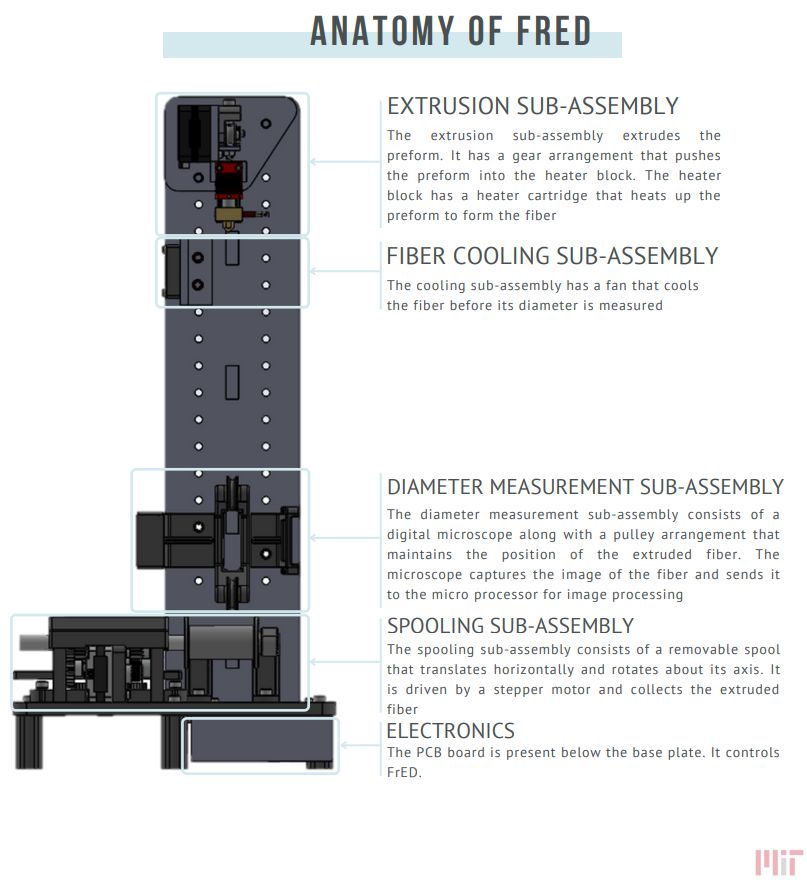
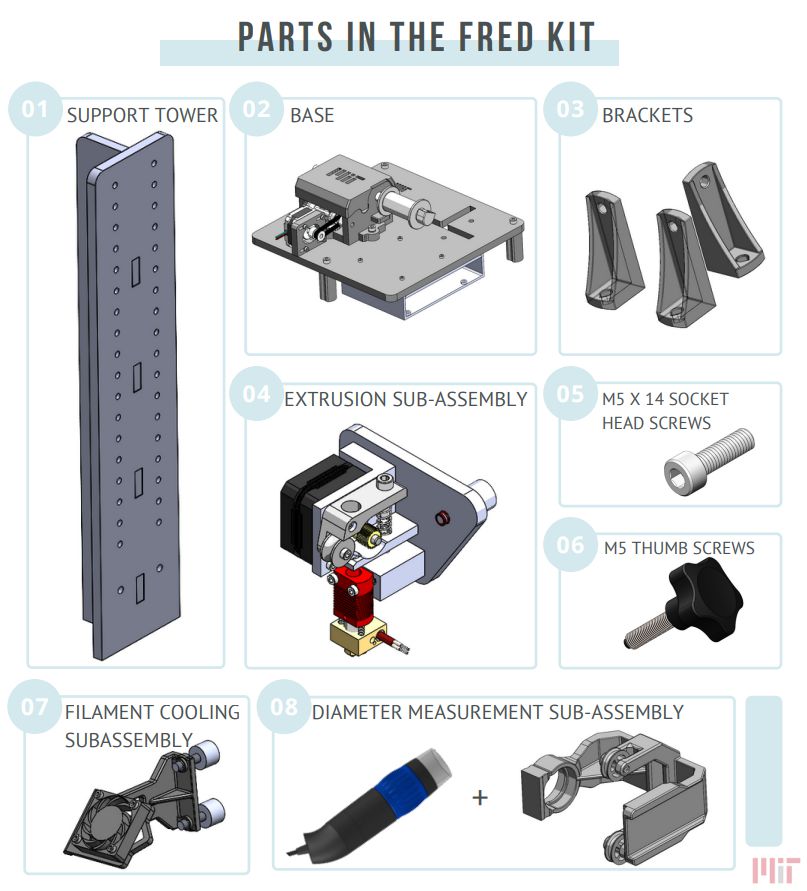
FrED
The factory was the students’ thesis project in the Master of Engineering in Advanced Manufacturing and Design. fiber (Fr) extrusion (E) device (D), or FrED
This device is used as a teaching tool in undergraduate and graduate classes at both MIT and Monterrey Tec, as well as in manufacturing workforce professional education in Mexico. The factory at MIT itself will continue to serve as a platform to teach our students about assembly-line design and other manufacturing concepts.
By the end of this course, you will be able to:
- Understand the core principles of VR and AR technologies in engineering and manufacturing contexts.
- Develop and deploy interactive VR/AR experiences using the Unity game engine.
- Create and manipulate 3D assets for immersive environments.
- Apply immersive technologies to virtual prototyping, simulation, and professional training.
- Integrate real-time data and sensors into your VR/AR projects.
- Collaborate effectively on immersive technology projects for industry and research applications.
Modules
| Project Setup: Augmented Reality / Virtual Reality Deployment During Project Setup, we will learn about configuring our project to deploy to either Augmented Reality or Virtual Reality headset. |
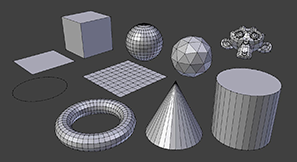
| Module 1: 3D modeling and CAD This module will set you up with the basics to manipulate geometry and model your own assets. We will cover extruding, Booleans, modifiers, scaling, and more. |
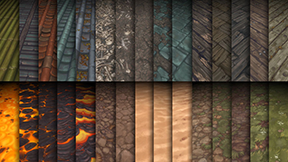
| Module 2: Materials This module will set you up with the basics of adding textures and materials to our virtual objects in the scene. |
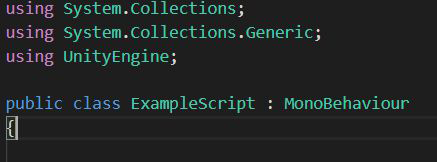
| Module 3: Interactions and Scripting Once we can view our scene in VR, we then explore different ways of interacting with virtual objects. Adding controllers, hand tracking technologies, UI elements, and testing. |
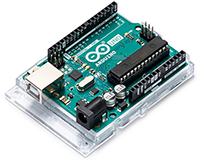
| Module 4: Hardware and Sensor Data Integrate sensor data into Unity, read and write, visualize, and interact with sensors in Virtual and Augmented Reality. |
| Goal Drive - Sandbox Development Use what you learned in the modules to build towards your goal! |

Case Study #1
Drive Smart Operational Cost Reduction
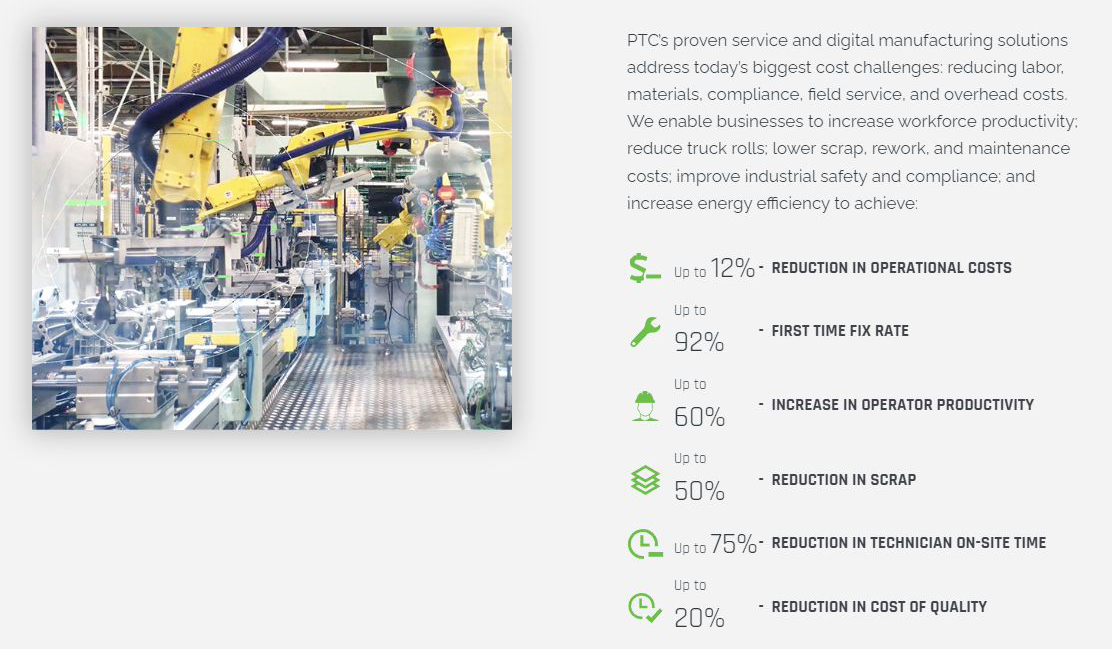
Unlock Opportunities to Improve Machine Efficiency
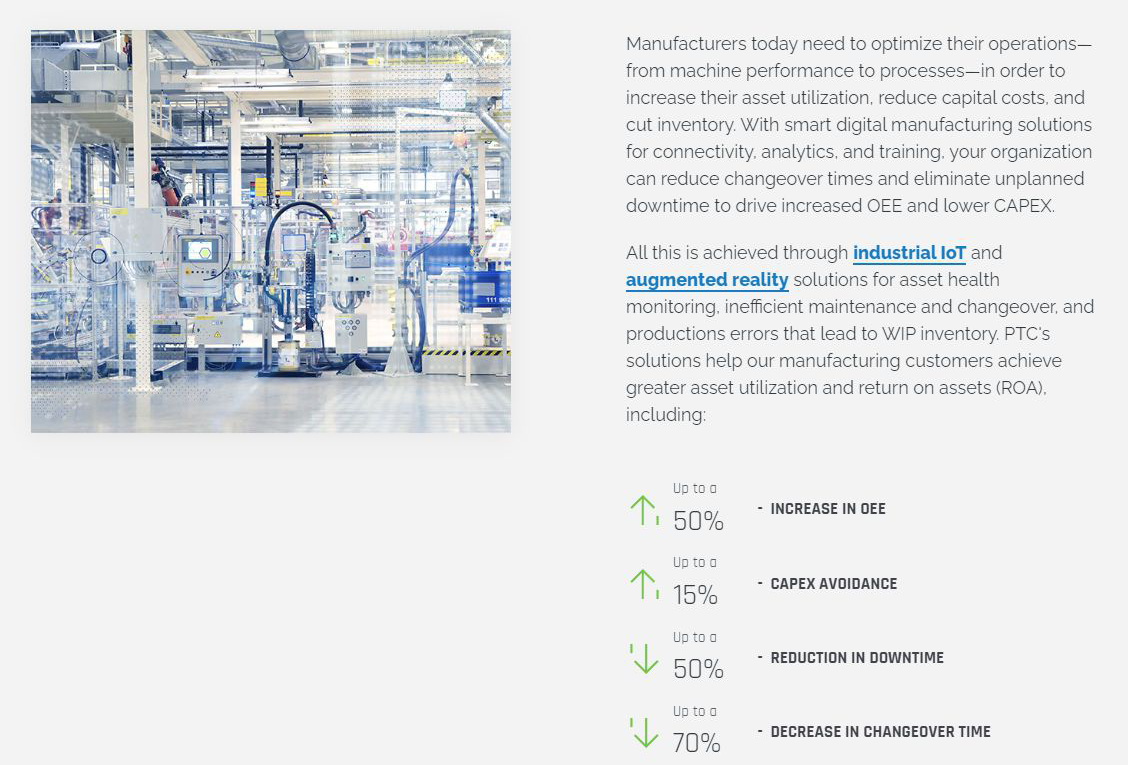
Case Study #2
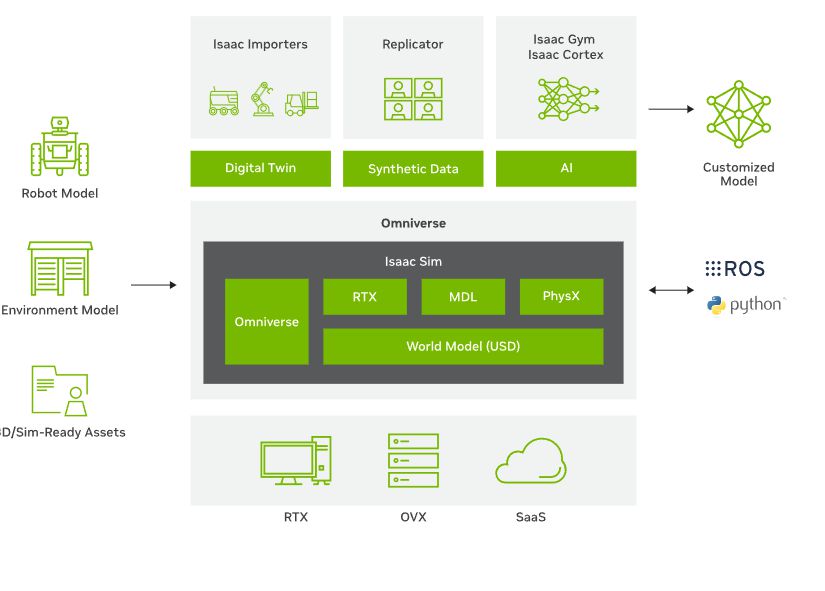
NVIDIA Isaac Sim™, powered by Omniverse™, is a scalable robotics simulation application and synthetic data-generation tool that powers photorealistic, physically accurate virtual environments. This gives you a better, faster way to develop, test, and manage AI-based robots. With Isaac Sim, developers and researchers around the world can train and optimize AI robots for a wide variety of tasks. In this demo, we showcase three incredible and very different robots developed in simulation and proven in the real world.
Case Study #3
The retention of information in virtual reality based engineering simulations